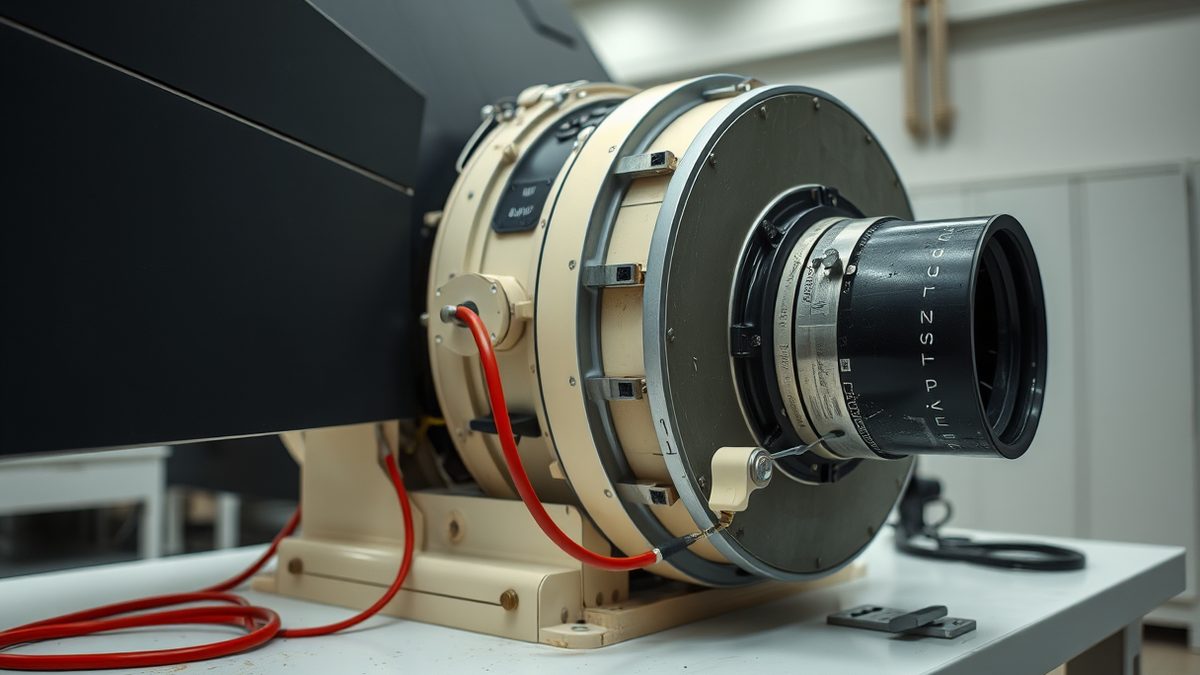
Helion's Polaris prototype became the first privately developed fusion machine to run on deuterium-tritium fuel and reach plasma temperatures of 150 million degrees Celsius, the company said on 13 February 2026. But the field's other milestones this year point somewhere less glamorous: magnets, converters and cash.
Science28 September 20263 min readSources 4
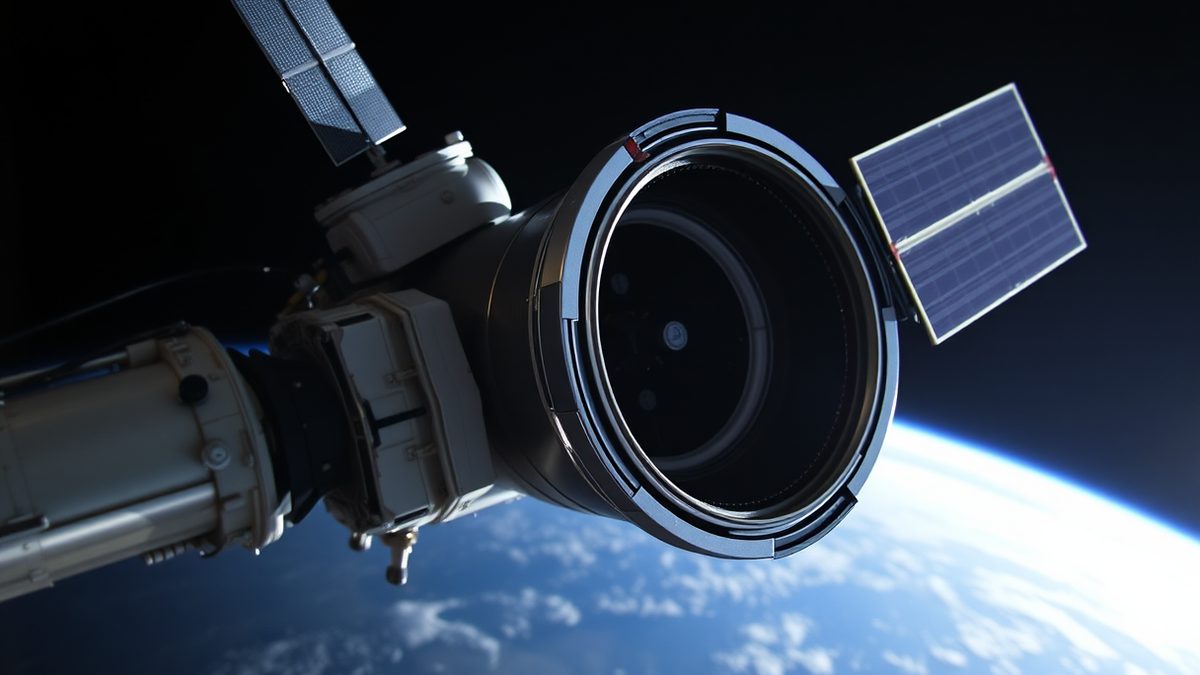
NASA has abandoned its attempt to boost the Neil Gehrels Swift Observatory, the $500 million gamma-ray telescope now expected to burn up in Earth's atmosphere later this year. The failure came after a $30 million rescue contract that gave Katalyst Space Technologies nine months to build and launch a spacecraft that spun out of control in late July.
Science28 September 20266 min readSources 4
SpaceX was set to launch Starship on Monday morning from Starbase, Texas, in the first attempt to send the vehicle into orbit and deploy 26 Starlink V3 satellites, after the FAA cleared the flight on 26 September, according to CNBC.
Science28 September 20266 min readSources 4
NASA and Katalyst Space Technologies have abandoned the attempt to boost the Neil Gehrels Swift Observatory, a $500 million telescope that will now reenter Earth's atmosphere later this year. The LINK rescue craft cost $30 million and was built in nine months.
Science28 September 20263 min readSources 3
Helion says its Polaris machine hit 150 million degrees Celsius on deuterium-tritium fuel. Realta Fusion has turned plasma energy straight into electric current. Thea Energy has banked $100 million for a stellarator. None of the three has put a watt on the grid.
Science28 September 20267 min readSources 4
Stanford and Caltech researchers have built HomeBody, a system that lets a Unitree G1 robot tidy an unfamiliar kitchen by calling a vision-language model directly into a skill library, according to The Decoder on 27 September.
Science28 September 20263 min readSources 6