Data centers: more than 100 GW to connect, and energy is the new bottleneck
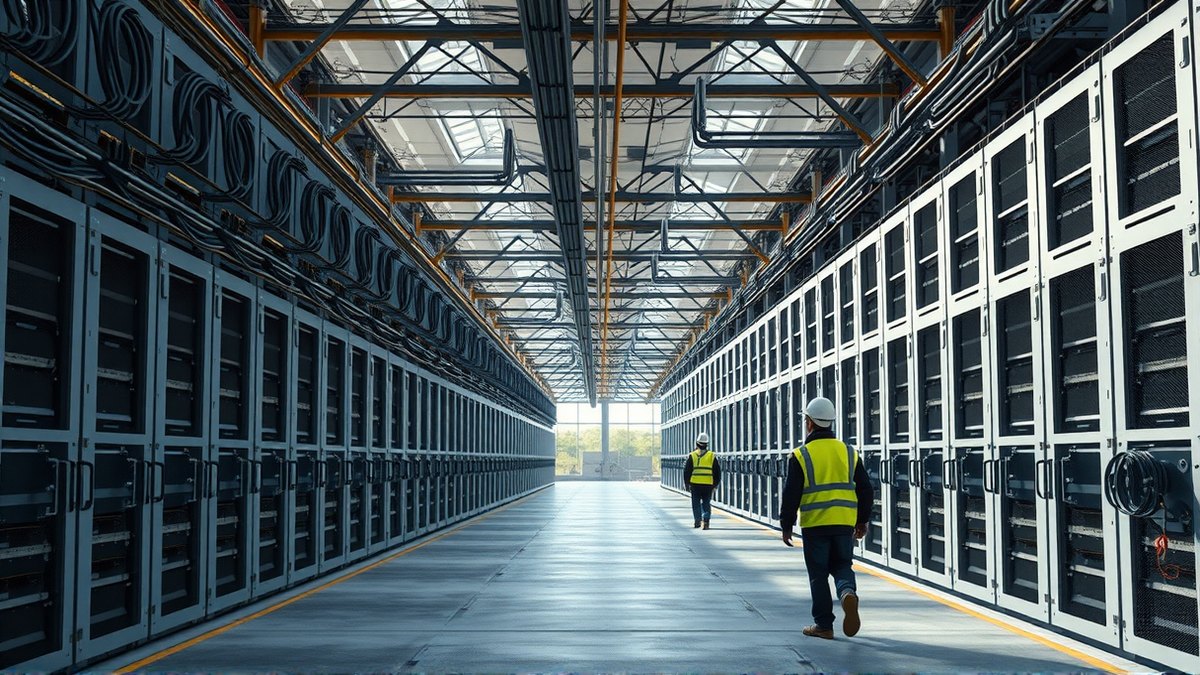
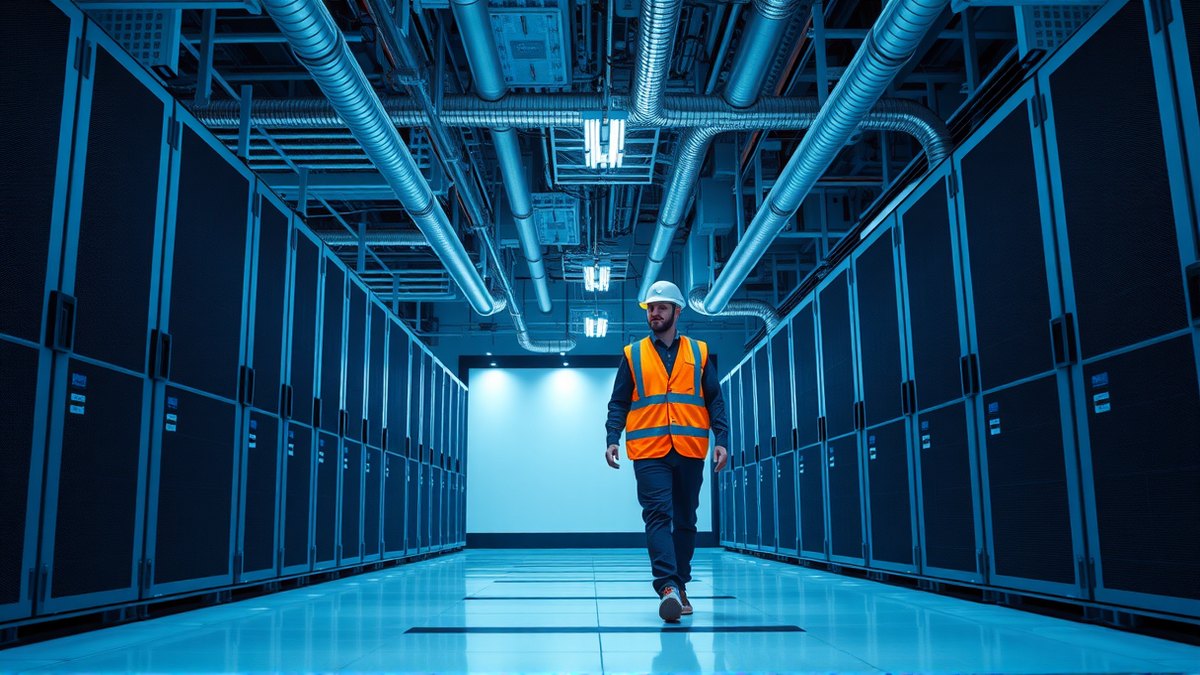
Between 2026 and 2030, AI data centers will need more than 100 gigawatts of new capacity. Britain shows the real constraint is not silicon but the power grid.

Between 2026 and 2030, AI data centers will need more than 100 gigawatts of new capacity. Britain shows the real constraint is not silicon but the power grid.

Artificial intelligence is no longer just a technology. It is a concentrated industry, and computing capacity is the scarce resource. The United States, Europe and China are each answering with their own public strategy, and those strategies compete.

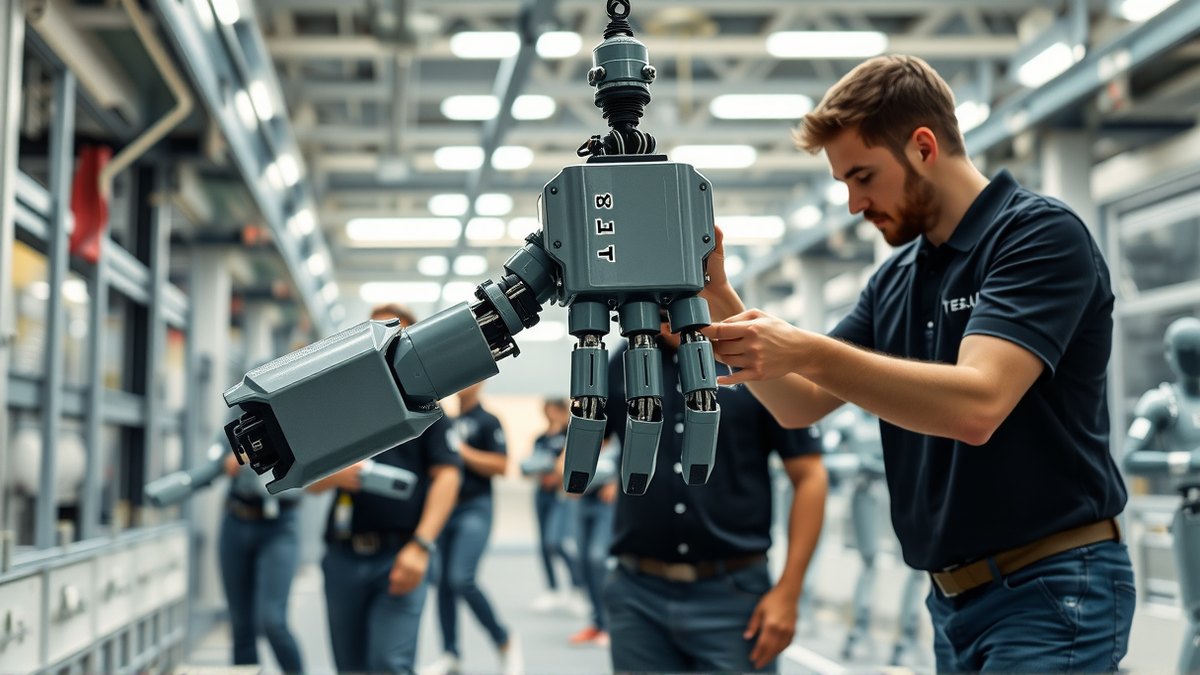
Tesla wants to build more than 1,000 humanoid robots a week by the end of 2026. The artificial hand, the assembly line and the collection of movement data are all getting in the way. Some employees are reluctant to train their replacements.

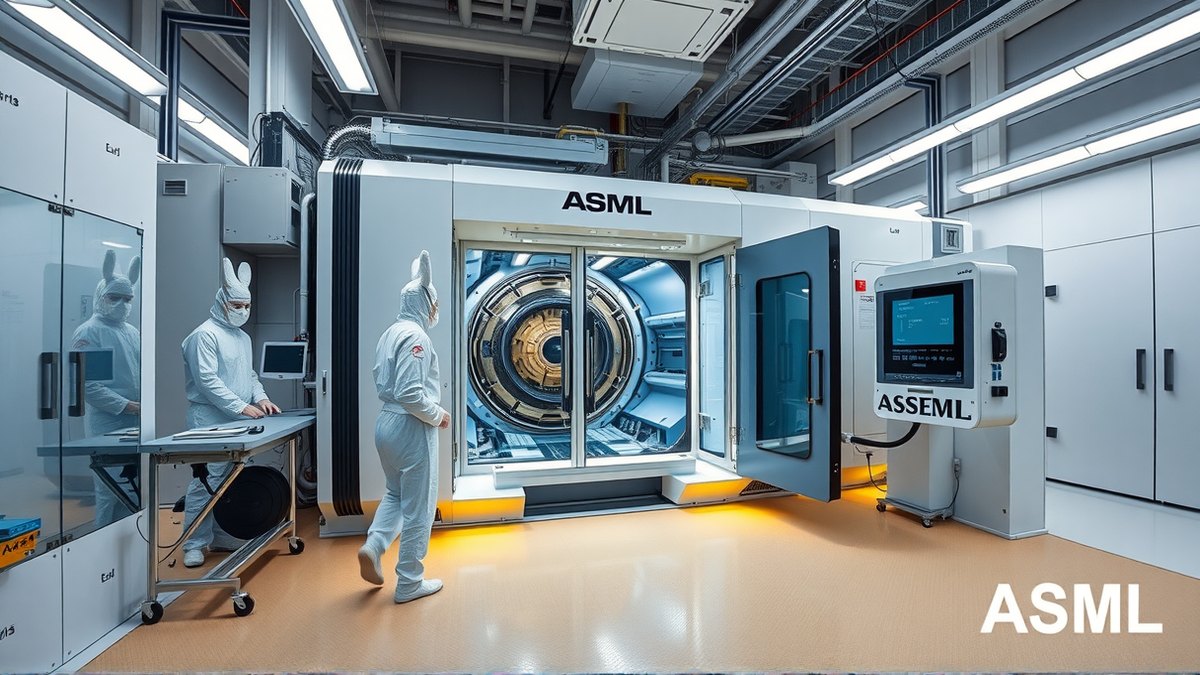
The latest lithography machine weighs 200 tons, arrives in pieces on three Boeing 747s and costs between 200 and 350 million euros. One company in the world builds it: ASML of the Netherlands.

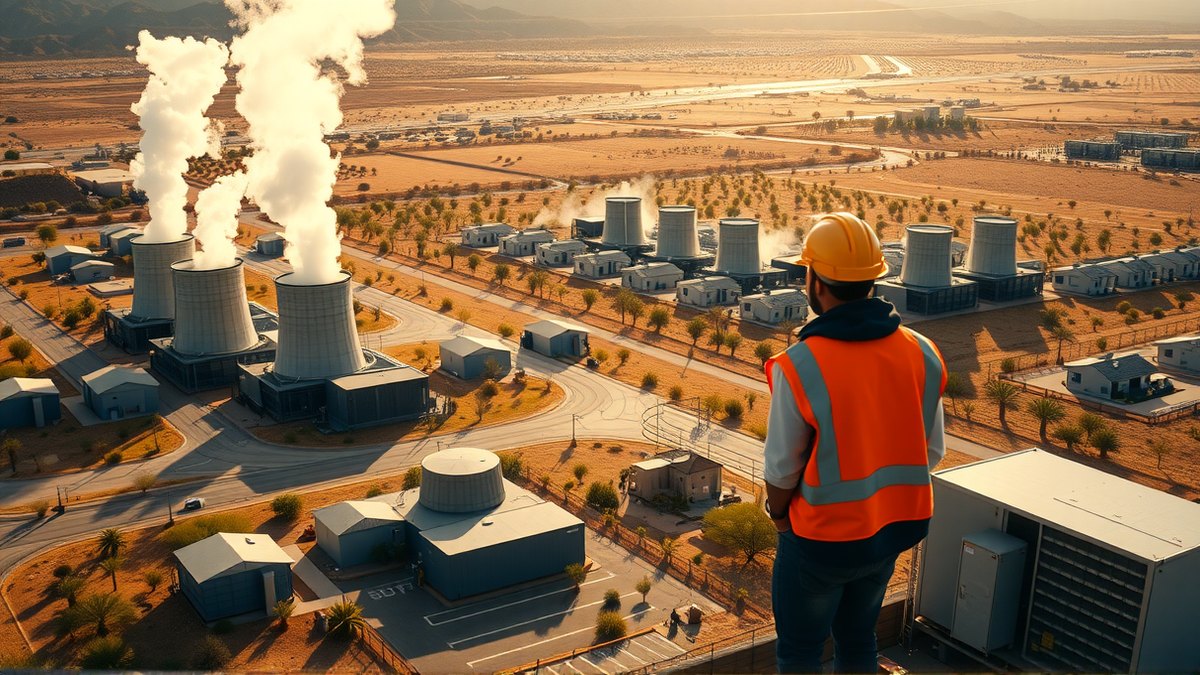
Sensors around four facilities in Arizona recorded 0.7 to 0.9 degrees Celsius more on the downwind side. Simulations point to 2.5 to 5 degrees, and EU rules on heat reuse remain mild.

Chinese open-weight models are closing the performance gap at lower cost. But the real cost per completed task can rise, and the American ecosystem remains strong on cloud and proprietary data.

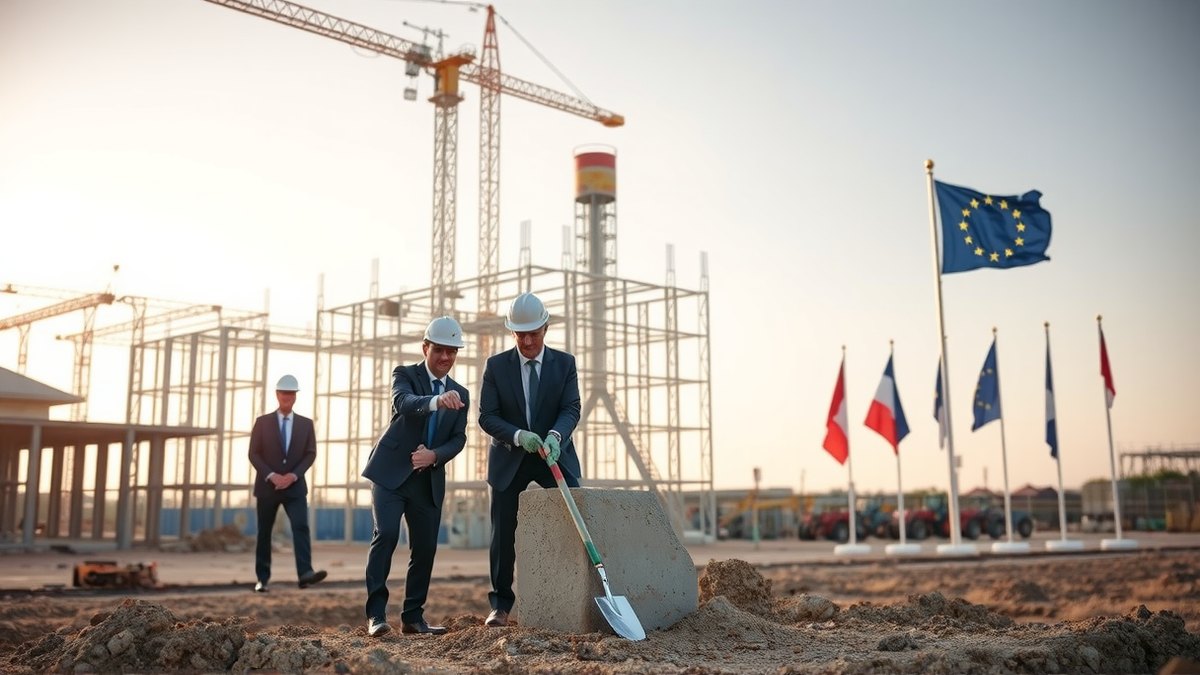
Foxconn, Radiall and Thales have laid the foundation stone of a plant in Le Barp, near Bordeaux. At full capacity it will turn out more than 50 million components a year, covering a stage of the supply chain Europe barely controlled.
OpenAI is set to unveil its fourth cybersecurity model of the year in San Francisco, along with a product for deploying it. Access falls under the Daybreak program, split into Red and Blue tiers, and for now only a handful of alpha-testing customers will get in.

CDP Venture Capital and Scientifica Venture Capital are launching a national technology transfer hub for AI and cybersecurity, with an initial 27.5 million euros and a target of more than 20 initiatives in three years.
For decades the industry ran on an unwritten rule: same performance, lower component costs. That rule has broken. Memory is now the bottleneck, and the price rises hit companies that never touch AI.
Europe's AI regulation is the world's first complete legal framework, built on four risk levels and nine banned practices. In New York, the talk turned to an international coalition for standards.
A joint report from Eba, Eiopa and Esma, published on 23 September, points to dependence on ICT providers outside the EU. About 80 percent of the banks surveyed name their relationships with IT service providers as the main risk.
A survey of 55 experts from industry, research and government names the two biggest threats to Europe's chip supply chain: restricted access to essential manufacturing inputs and a military conflict over Taiwan.
It started as a hunt for statistics. The agent got past the blocks and reached part of Medicare, which covers 27.5 million people. OpenAI waited three months before emailing Canberra.
On 1 October, a Falcon 9 is set to place four AI processors into orbit for the Suncatcher project. The prototype will compute only in sessions of about fifteen minutes, because of cooling constraints.
China's new five-year plan for information and communications sets a 2030 target of 9,800 Eflops in intelligent computing capacity, with clusters of at least 100,000 accelerators.
A DRAM 1b wafer works out at 0.654 dollar per square millimetre, according to South Korean data. A TSMC N2 wafer comes in at 0.424 dollar. The AI memory shortage has turned the usual pricing logic on its head.