Creator mental health enters the conference agenda
This year Vidcon in Anaheim gave much of its programme to the mental wellbeing of content creators. WHO data show that access to effective care remains rare worldwide.
 Sofia MarchettiScience and health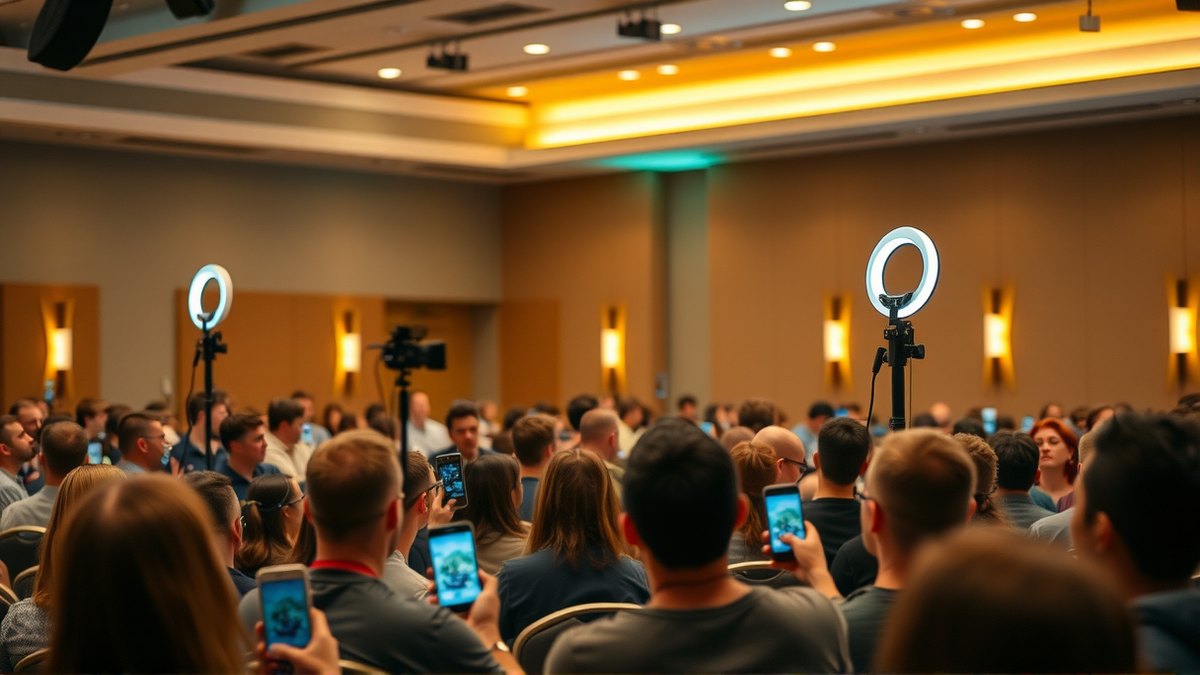
Vidcon in Anaheim, California, is the largest conference devoted to video creators on social media. Alex Hogan, who reported from the event for STAT, points to something that surprised him: this year a large part of the programme went to the mental health of the creators themselves. That is a shift in perspective. Until now the talk was mainly about how content affects viewers.
The report names specific people. Andy Neal is an Instagram creator whose life changed overnight when one of his videos suddenly drew tens of millions of views. Shira Lazar, a creator and founder of the organisation Creators 4 Mental Health, campaigns for better mental health safeguards for creators. When your audience runs into the millions, pressure, hate and burnout become an occupational burden rather than a private matter.
The scale of the problem in the data
The backdrop to those conversations is data from the World Health Organization. In 2023 nearly one person in seven worldwide, 1.2 billion people, was living with a mental disorder. Anxiety and depressive disorders were the most common. Anxiety disorders affected 470 million people, including 146 million children and adolescents. WHO stresses that effective ways to prevent and treat these conditions exist, but most people with mental disorders have no access to effective care. Stigma, discrimination and human rights violations add to that.
This double edge, rising awareness alongside insufficient access, matters for digital tools. Creators talk about it publicly because they work in an environment that makes the conversation possible. But many countries lack not only psychologists but basic care infrastructure.
What technology will not fix
Access to apps, chatbots and support content is not the same as access to treatment. Apps can lower the threshold, help with self-care and shorten the time to a first conversation, but they do not replace diagnosis, therapy or, in a crisis, intervention. WHO also points out that the problem is not only resources but stigma, and stigma cannot be rolled out with a software update.
For newsrooms covering public health, the Vidcon story is a reminder that mental health now runs on two parallel tracks: the public conversation carried in the media and the quiet statistics of gaps in the care system. A conversation without that second part stays incomplete.
The conclusion for apps is simple: a declared concern for mental health without access to real help remains a marketing promise. Users' trust depends not on the number of features but on whether someone actually picks up the phone after the system raises an alert.
Sources
2All figures and quotations in this text come from the sources listed below.
Content prepared by the editorial team with AI assistance.
Sofia Marchetti
Comments
0- No comments yet — be the first.