IBM's Project SWIFT Ran a Layer in 5 Hours. Modern Fabs Take 19 to 36
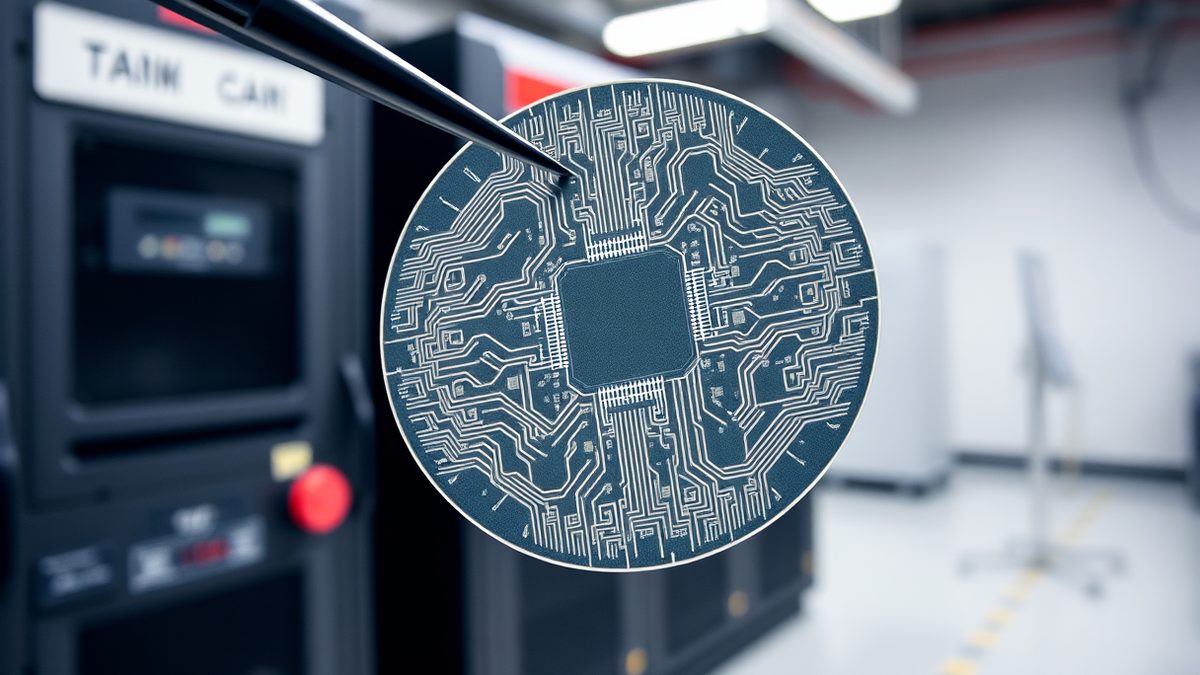
Bill Harding's Project SWIFT averaged 5 hours per fabrication layer in the 1970s, IEEE Spectrum reports. The fastest modern fabs take 19 hours, and the industry average is 36.

Bill Harding's Project SWIFT averaged 5 hours per fabrication layer in the 1970s, IEEE Spectrum reports. The fastest modern fabs take 19 hours, and the industry average is 36.

In 1970, an IBM manager named Bill Harding set out to build a fully automated wafer-fabrication line that would turn out integrated circuits in under a day. Project SWIFT did it, averaging 5 hours per process layer, according to IEEE Spectrum. Today's fastest fabs need 19 hours per layer.

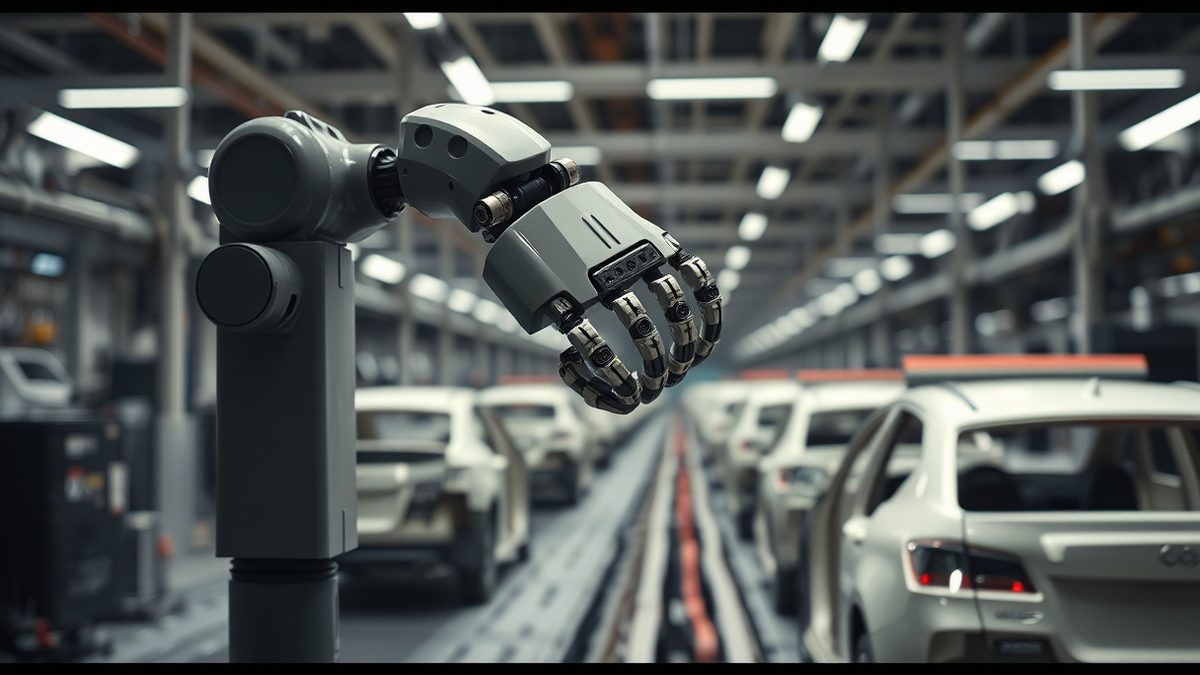
Thousands of unionized Hyundai workers walked off the job in Ulsan, South Korea, after 15 rounds of talks over humanoid robot deployment failed. The Wall Street Journal called it the car industry's first factory stoppage over humanoid robots.

Thousands of unionized Hyundai workers walked off the job at the company's Ulsan complex in South Korea after talks over humanoid robot deployment broke down. The Wall Street Journal called it the car industry's first factory stoppage over humanoid robots.

Thousands of unionized workers at Hyundai's Ulsan plant walked off the job after talks over humanoid robot deployment collapsed. China is pushing ahead with state-funded training centers for the machines.

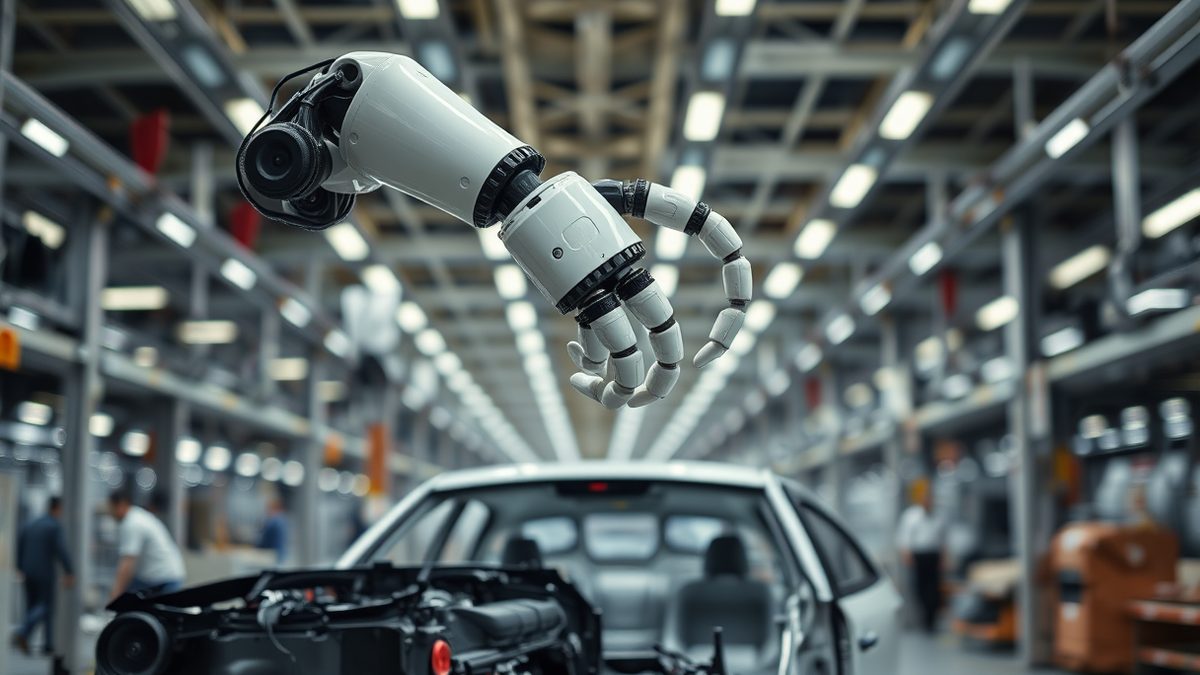
Thousands of unionized Hyundai workers walked off the job at the company's Ulsan plant in July 2026. The strike came after 15 rounds of talks over humanoid robot deployment failed, and Ars Technica calls it the first factory stoppage aimed squarely at humanoids.

Thousands of unionized Hyundai workers walked off the job in Ulsan after talks broke down over plans to deploy humanoid robots. The Wall Street Journal calls it the car industry's first factory stoppage over humanoids.

Thousands of unionised Hyundai workers walked off the job at the company's Ulsan plant after 15 rounds of talks over humanoid robot deployment failed. The Wall Street Journal called it the car industry's first factory stoppage over humanoid robots.

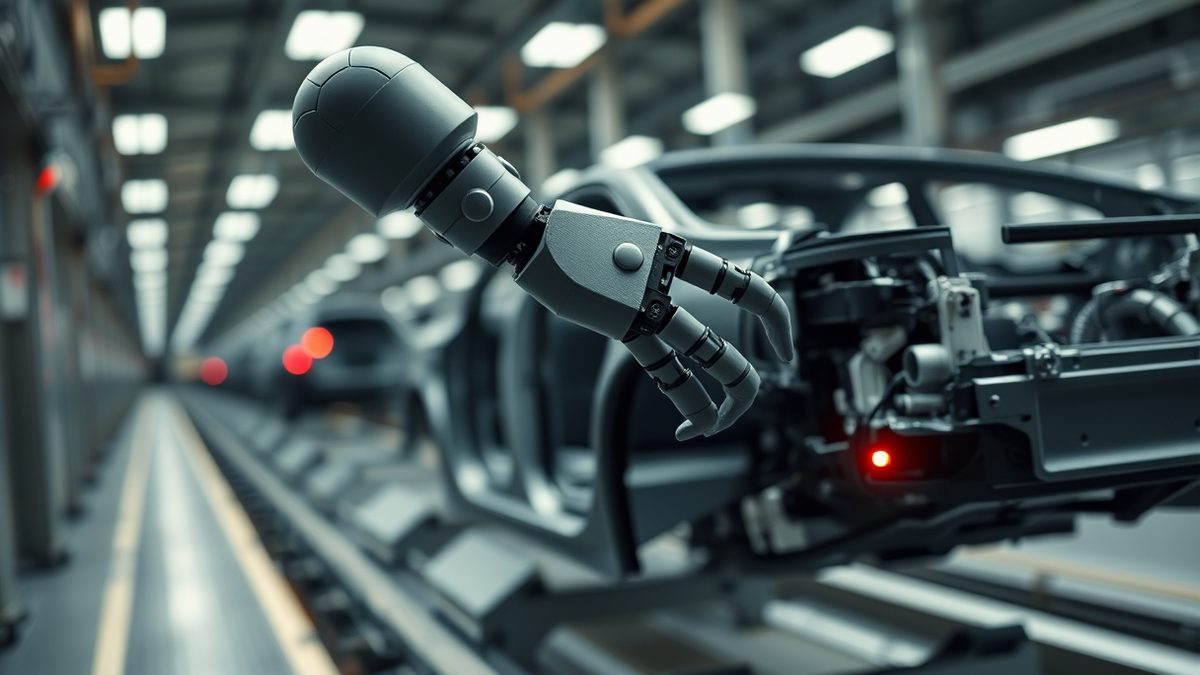
Thousands of Hyundai workers walked off the job in July 2026 after 15 rounds of negotiations over humanoid robot deployment failed. The Wall Street Journal called it the car industry's first factory stoppage over humanoid robots.
Hyundai workers in Ulsan walked off the job in July 2026 after 15 rounds of talks failed. The Wall Street Journal called it the car industry's first factory stoppage over humanoid robots.
Thousands of unionized Hyundai workers walked off the job in Ulsan in July 2026 after talks over humanoid robot deployment collapsed. The Wall Street Journal calls it the first factory stoppage to address humanoid robots directly.
Thousands of Hyundai workers walked off the job in Ulsan after talks over humanoid robot deployment collapsed. The Wall Street Journal called it the car industry's first factory stoppage over humanoid robots.
The AI accelerator race is no longer just about who can print the fastest logic die. Three supply chain stories from 2026 show the constraints sit in the material, the memory stack and the engineering workflow around the chip.
Google says it achieved "quantum supremacy" in a paper posted to NASA.gov before being taken down. The company claims its 53-qubit Sycamore processor took about 200 seconds on a task a state-of-the-art supercomputer would need roughly 10,000 years to complete.
Google says it has reached "quantum supremacy," the point where a quantum processor solves a problem no classical computer can match. IBM says the milestone has no practical use.
The US Department of Energy announced $5.25 billion for grid upgrades on 25 September. New Jersey fined a data centre operator $1.1 million over unpermitted gas generators, and Google prepared to launch an orbital test server that can run for only about 15 minutes at a time.
Texas Instruments said on 24 October 2024 it had begun making gallium nitride power chips at its plant in Aizu, Japan. The move quadruples its internal GaN capacity across the United States and Japan. The same week, a hurricane exposed how narrow parts of the supply chain still are.