Skip to content
World clockEU--:--UK--:--USA--:--CN--:--PLDEFRIT中文EN

portal about AI and technologyevents · analysis · interviews · technical background

Search
LIVE
›

Technology

518 texts · 27/30
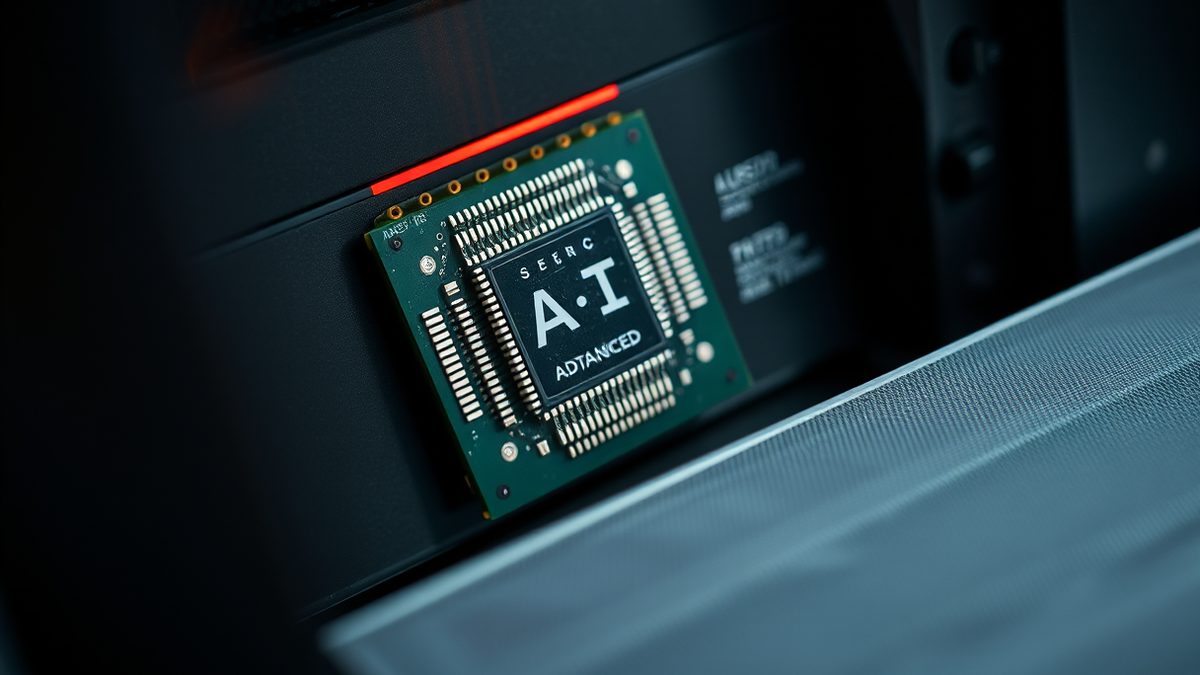
AI accelerators: the datacenter fight moves to the packaging supply chain

AI accelerators: the datacenter fight moves to the packaging supply chain

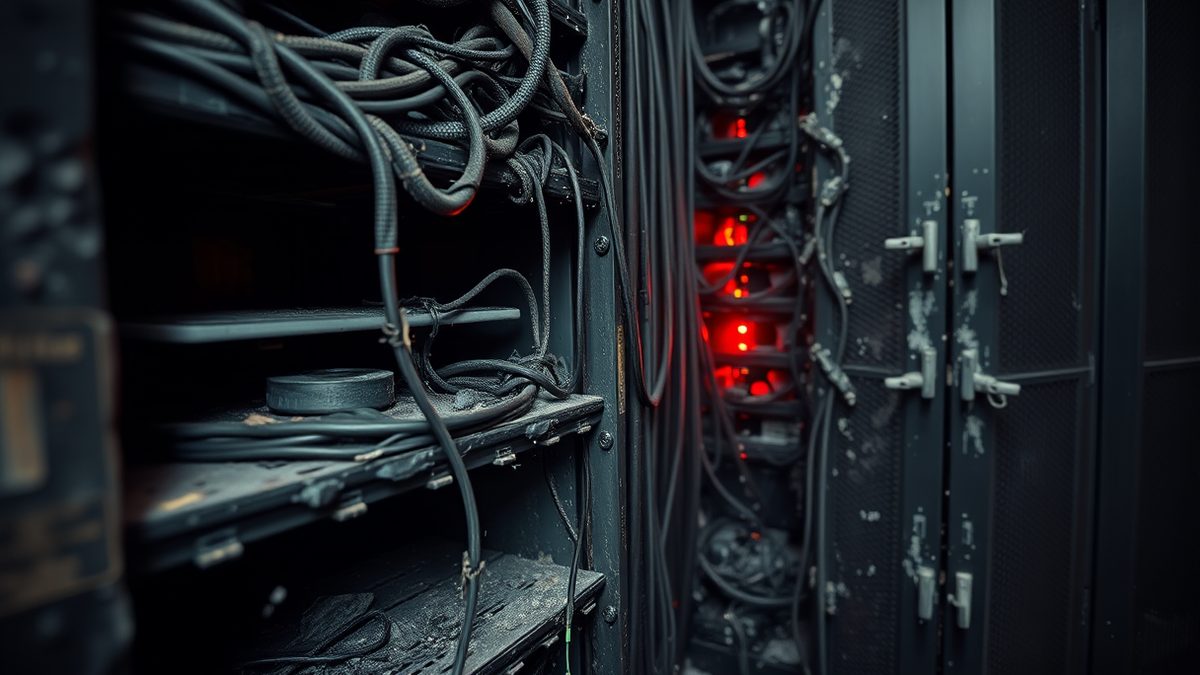
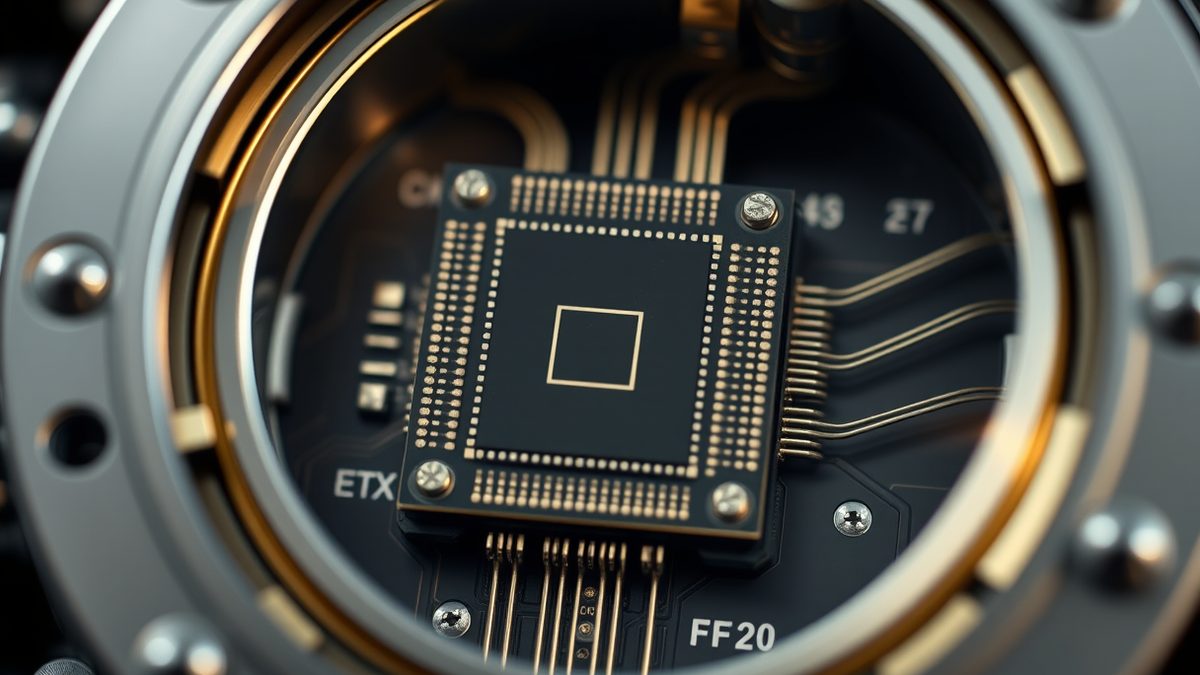
AI accelerator vendors are redesigning how compute talks to memory. The deeper bottleneck sits upstream: a Japanese glass-fibre cloth maker controls roughly 90% of a material that every advanced package needs, and new capacity will not arrive until mid-2027.

Technology27 September 20267 min readSources 5
Russia widens strikes to Ukraine's data centres as Kyiv counts outages

Russia widens strikes to Ukraine's data centres as Kyiv counts outages

Russia has widened its attacks to target Ukraine's data centres and internet providers, President Volodymyr Zelensky said, after a Friday drone strike on Kyiv killed four people and damaged a facility run by Datagroup. About 100,000 households in Kyiv and the surrounding region lost internet on Wednesday, according to the BBC.

Technology27 September 20263 min readSources 3

Latest

12 texts
Google and IBM raced to quantum milestones while rivals argued over the scoreboard

Google and IBM raced to quantum milestones while rivals argued over the scoreboard

In April 2017, John Martinis of Google gave his team until the end of that year to build a chip that could perform a calculation beyond any conventional computer. IBM announced a 50-qubit processor prototype that November.

Technology27 September 20263 min read
Where Chip Capacity Comes From: Fabs, Materials and the 5-Hour Line

Where Chip Capacity Comes From: Fabs, Materials and the 5-Hour Line

Semiconductor capacity is usually counted in fabs and wafers, but the real constraints run through crucibles, quartz and process layers. IBM's Project SWIFT averaged 5 hours per fabrication layer half a century ago; the fastest modern fabs take 19.

Technology27 September 20266 min read
Automated Fabs and Quartz Mines: Where Chip Capacity Really Comes From

Automated Fabs and Quartz Mines: Where Chip Capacity Really Comes From

IBM's Project SWIFT averaged five hours per wafer layer in the 1970s. The fastest modern fabs take 19 hours per layer, IEEE Spectrum reports. Capacity debates keep missing that kind of detail.

Technology27 September 20264 min read
04

How AI Accelerators Actually Work: Cores, Cluster Building Blocks and Memory

SiFive is now licensing a drop-in AI accelerator cluster built around four RISC-V CPU cores and its own matrix math engine, The Register reported on 19 September 2024.

Technology27 September 20263 min read
05

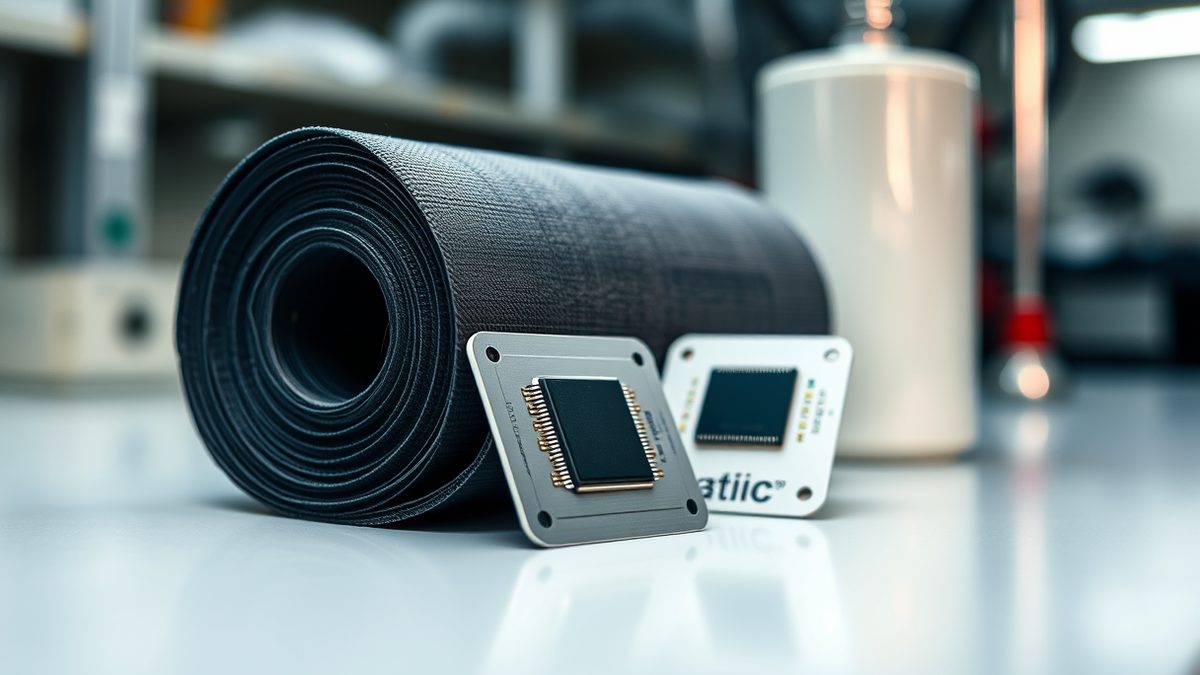
AI Accelerator Supply Chain Strains as T-Glass Shortage Bites

A specialist glass-fibre cloth called T-glass has become the latest bottleneck for AI accelerator production. Japan's Nittobo controls roughly 90% of global supply, prices are up 20 to 30%, and lead times now stretch beyond 20 weeks.

Technology27 September 20267 min read
06

Quantum supremacy: what Google's 2019 milestone claimed and why IBM pushed back

Google said its Sycamore processor sampled a quantum circuit in about 200 seconds, a task its researchers estimated would take a state-of-the-art supercomputer roughly 10,000 years. The paper landed on NASA's servers before peer review, and the fight over what the word supremacy means started immediately.

Technology27 September 20266 min read
07

Hyundai Workers Strike Over Atlas Robots as Humanoid Factory Plans Accelerate

Thousands of unionized Hyundai auto workers walked off the job in Ulsan, South Korea, in July after talks over humanoid robot deployment collapsed. The Wall Street Journal called it the first factory stoppage aimed at humanoid robots.

Technology27 September 20266 min read
08

Data centre power and cooling: grid money, a $1.1M fine and four chips in orbit

US data centre operators are getting $1.9 billion in federal grid money while one New Jersey site was fined $1.1 million for unpermitted generators and Google prepares to run four AI chips in orbit.

Technology27 September 20264 min read
09

Google's 49-Qubit Quantum Supremacy Deadline: What the Record Shows

Google planned to demonstrate "quantum supremacy" before the end of 2017, a milestone its lead researcher said required a 49-qubit chip rather than the six-qubit device the company had just built. IBM announced a measured 50-qubit processor prototype on 10 November 2017. Google's own claim finally arrived in September 2019.

Technology27 September 20266 min read
10

Google's quantum supremacy claim lands, but IBM calls it a lab stunt

Google says its 53-qubit Sycamore processor sampled a quantum circuit in about 200 seconds, a task it estimates would take a state-of-the-art supercomputer roughly 10,000 years. IBM's research head Dario Gil called the experiment a special case with "no practical applications."

Technology27 September 20264 min read
11

India Adds $13.3B to Chip Push as Phone Scheme Targets 5% of Sales

India committed a further ₹1.28 trillion (around $13.3 billion) to domestic semiconductor manufacturing on Wednesday, expanding a $10 billion chip incentive program launched in 2021, according to TechCrunch.

Technology27 September 20264 min read
12

Quantum supremacy: what Google, IBM and the qubit race actually promised

Google set out in April 2017 to prove a quantum chip could beat any classical computer by the end of that year. The company's claimed "quantum supremacy" result arrived in September 2019, in a paper Fortune obtained before peer review. The number that matters is 53 qubits, and the argument over what it proves has not stopped since.

Technology27 September 20267 min read